
Understanding the psychological triggers behind gambling behavior
Understanding the psychological triggers behind gambling behavior
The allure of risk and reward
One of the most compelling psychological triggers behind gambling behavior is the thrill associated with risk and reward. The excitement that comes from placing a bet can create a rush of adrenaline, akin to a rollercoaster ride. This is due to the brain releasing dopamine, a neurotransmitter that signals pleasure and reinforces behavior. Many players are drawn to https://bassbet-ca.com/ to experience the high stakes and excitement of online gambling, as this mechanism encourages individuals to pursue gambling as a way to recreate the exhilaration they experienced, often leading to a cycle of repetitive play.

The perception of winning is another significant factor. Many gamblers fixate on their wins rather than focusing on the losses, often leading to an illusion of control over the outcome. This cognitive bias can fuel further gambling, as players convince themselves that they can replicate their success. Casinos, through various strategies such as providing immediate rewards, often exploit these cognitive distortions, creating an environment that can be hard to resist. For instance, the generous promotions offered by Bassbet casino Canada entice many to explore their gaming options.
In addition, the social aspect of gambling enhances its allure. Many individuals enjoy the camaraderie of playing at a casino or participating in online betting platforms where they can interact with others. This social reinforcement can make gambling feel more appealing, as people associate positive experiences with the activity. Understanding these emotional and cognitive connections can help individuals recognize the psychological triggers that drive their gambling behaviors. A thorough Bassbet casino review can provide valuable insights into how these social aspects are integrated into the betting experience.
The impact of cognitive biases
Cognitive biases significantly influence gambling behavior, often leading individuals to make irrational decisions. One of the most common biases is the “gambler’s fallacy,” where individuals believe that previous outcomes affect future results. For instance, a player might assume that a slot machine is “due” for a payout after a long streak of losses. This flawed reasoning can propel gamblers to continue betting, driven by the hope that luck will eventually change. Such examples can often be seen among players of various Bassbet casino games.
Another prevalent bias is the “illusion of control,” where gamblers overestimate their ability to influence outcomes. This can lead to the belief that strategies or systems can significantly alter the likelihood of winning. Such misconceptions can result in increased betting and longer gambling sessions as players become entrenched in their beliefs about skill and strategy. Recognizing these cognitive pitfalls is essential for anyone looking to understand their gambling tendencies.
The emotional impact of cognitive biases can also lead to poor decision-making. When players chase losses, they often bet more than they initially intended, hoping to recover previous losses. This can quickly spiral into a dangerous pattern, leading to emotional distress and potential financial troubles. By identifying and addressing these biases, individuals can better manage their gambling behavior and make more informed decisions about their engagement with gambling activities.
The role of emotions in gambling
Emotions play a pivotal role in shaping gambling behavior. For many individuals, gambling serves as an emotional escape or a coping mechanism to deal with stress, anxiety, or even boredom. The thrill of betting can momentarily alleviate negative feelings, making it an attractive option for those seeking a respite from daily challenges. However, this reliance on gambling for emotional relief can create a dependency that is hard to break.
The highs and lows of gambling can also lead to heightened emotional responses. Winning can generate intense feelings of euphoria, while losses may result in frustration or sadness. This emotional rollercoaster can make it challenging for gamblers to maintain a balanced perspective. Over time, these emotional swings can contribute to an addictive cycle, as individuals chase the high of winning while trying to escape the lows of losing.
Moreover, social pressures can exacerbate emotional ties to gambling. Friends or family who gamble can normalize the behavior, making it more socially acceptable. This peer influence can lead individuals to participate in gambling activities even if they initially had reservations. Understanding the emotional underpinnings of gambling behavior can help individuals make more conscious choices and recognize when their gambling is driven by emotional needs rather than rational thought.
The influence of environment and accessibility
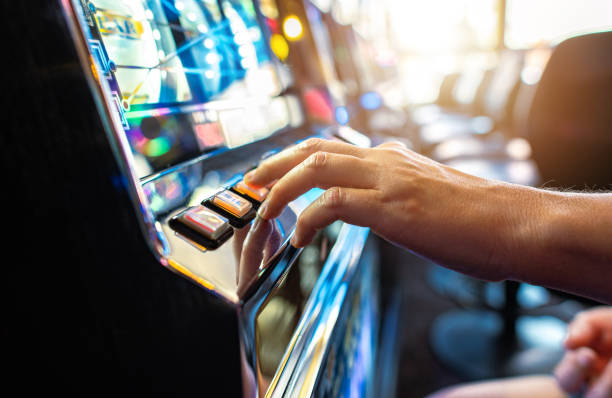
The environment plays a crucial role in facilitating gambling behavior. Places such as casinos are designed to create an immersive experience that entices players to stay longer and play more. Bright lights, loud sounds, and the absence of clocks can manipulate a player’s sense of time and reality. This atmosphere can lead individuals to gamble more than they originally intended, as they become engrossed in the experience.
With the rise of online gambling platforms, accessibility has also dramatically increased. Players can now gamble from the comfort of their homes, which reduces the barriers to entry. This convenience can lead to more frequent gambling sessions, as individuals can place bets at any time without the need to travel. The easy accessibility of online casinos can create a more habitual gambling behavior, making it difficult for individuals to limit their play.
Furthermore, targeted advertisements can further entice individuals to engage in gambling. Promotions, bonuses, and incentives are designed to capture attention and encourage participation. This kind of marketing can appeal to psychological triggers, making it more likely for individuals to gamble when they might not have considered it otherwise. Recognizing the influence of environmental factors can help individuals develop strategies to mitigate their gambling behavior and make more conscious choices about their engagement.
Exploring responsible gambling with Bassbet Casino
At Bassbet casino, players can immerse themselves in a vast array of gaming options while also being reminded of the importance of responsible gambling. The platform offers a wide variety of games, from slots to live dealer options, all designed to provide entertainment while encouraging healthy gaming habits. Bassbet prioritizes user experience, combining excitement with safety, ensuring that players have access to the tools they need to gamble responsibly.
New users at Bassbet are welcomed with generous bonuses, which not only enhance the gaming experience but also encourage players to set limits and play mindfully. The platform is committed to providing resources for responsible gaming, allowing players to self-exclude or set deposit limits, making it easier for individuals to manage their gambling behavior. This focus on responsibility underscores the casino’s dedication to creating a positive gaming environment.
By understanding the psychological triggers behind gambling behavior, players at Bassbet can make informed choices. The casino’s user-friendly interface and extensive support options, including 24/7 customer service, enhance player confidence and safety. Ultimately, Bassbet strives to provide an enjoyable and responsible gaming experience, combining the thrill of gambling with the tools necessary to maintain a healthy balance.